
Disclosure and scope: This site may earn a commission from links to some of the services discussed. This is not a comparison test of a free VPN against a paid one: I did not run both under the same conditions. It is a decision framework plus the one paid service I have personal notes for.
The best thing about a free VPN is not paying. What I actually care about when using one is different: will it connect when I need it, will it stutter once connected, and how much time will I lose fixing it? Whether a free plan is enough depends on its documented limits and on how it behaves on your network. If the limits fit and it connects reliably, start free; if not, consider paying.
Six questions before deciding
| Your need | What to confirm first |
|---|---|
| Occasional use | Is the free allowance and validity period enough |
| Needs a specific region | Does the free plan allow choosing a location |
| Several devices | Platform support and simultaneous connection count |
| Frequent use | Does it connect at the times you actually use it |
| Sensitive to stuttering | Real page behaviour, and whether reconnects are often needed |
“Free plan” and “free trial” are different products
| Wording | What to check |
|---|---|
| Free plan | Which features are limited: data, locations, devices |
| Limited trial | How long it lasts and what happens at expiry — including billing |
| Free allowance | How the allowance is counted and whether use continues after it runs out |
| Refund guarantee | Usually requires payment first; the conditions are separate from “free” |
A “free trial” that silently becomes a paid subscription is a billing issue, not a VPN feature. I learned that lesson on a hosting trial that charged me $26.88 — see What My First WordPress Site Really Cost: $12.99 to Start, $78.99 for Year One — and I now check renewal dates and auto-renewal switches on every trial.
What paying ¥29.37 a month actually changed
I paid ¥29.37 per month for Pioneer and bought two months. On China Telecom my impression was generally stable with occasional stuttering, and connecting took a while. So paying did not buy an instant connection: my later recording shows roughly 28–29 seconds of waiting in one attempt (Slow VPN Connection vs Slow Browsing: What a 31-Second Recording Shows). I report only the number I confirmed. The client’s plan page also showed USD daily equivalents for different terms, which is a separate interface figure from what I actually paid — the two are kept apart in Pioneer VPN on China Telecom: ¥29.37 a Month and a 28-Second Connection.
Count the time cost too
¥29.37 a month is a real expense for me, but so is an evening spent reconnecting, switching nodes or reinstalling a client. I decide by adding both columns: money out, and time spent getting a working connection. A plan that is free but needs twenty minutes of fiddling each time is not free. Keep a simple log instead of relying on memory:
| Situation | What I write down |
|---|---|
| Long wait after clicking connect | Connection wait time, date, network |
| Connected but pages do not open | Which sites, and what loading looked like |
| Pages open but pause | When the stutter happened and what I was doing |
| Connection state drops | Recorded separately, including whether a manual reconnect was needed |
Frequently asked questions
How much is a paid VPN per month?
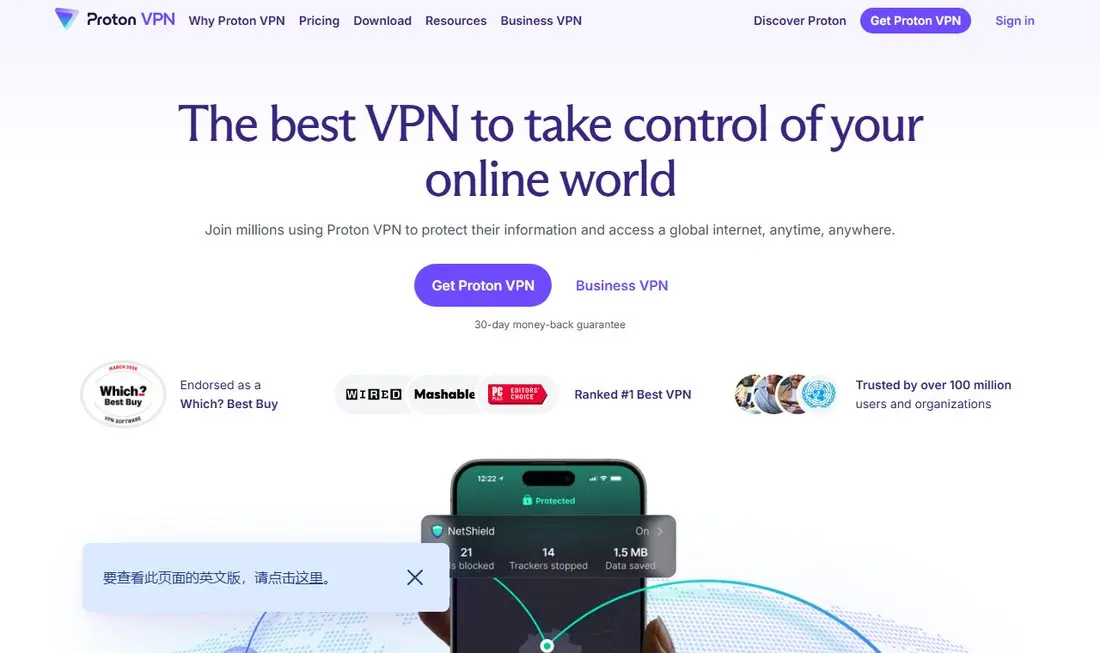
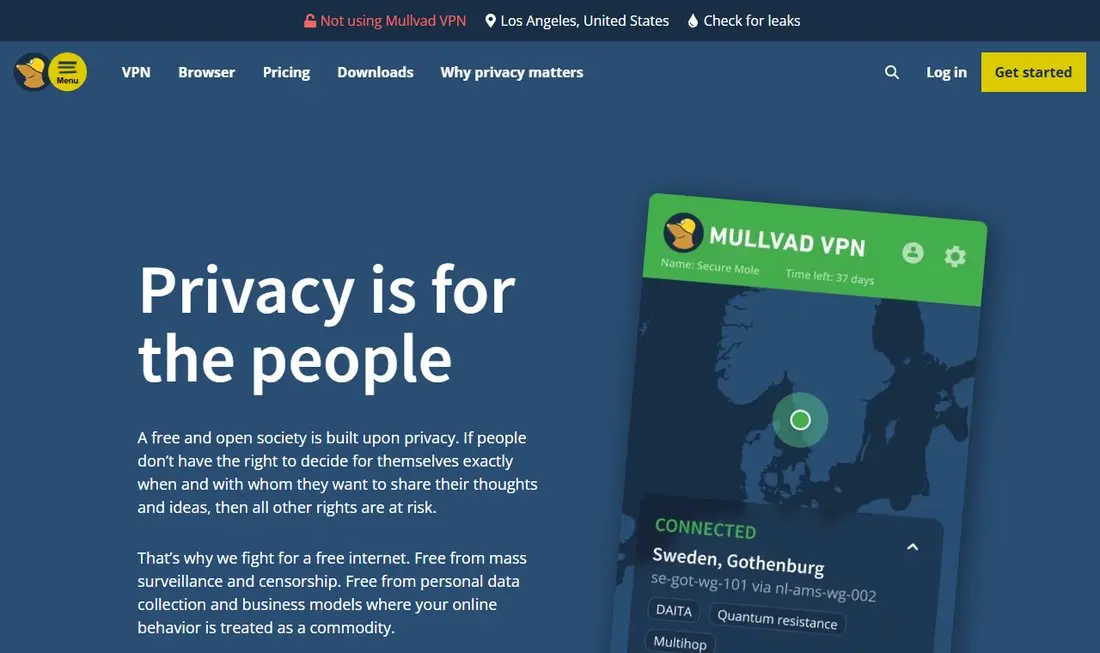
I can only quote what I personally paid: ¥29.37/month for Pioneer, for two months. For official plan information on other services, see Is Proton VPN Free Worth Using? What the Free Plan Actually Includes (Proton Free) and Mullvad VPN: €5 a Month, 5 Devices, and the Refund Rules Worth Checking (Mullvad at €5/month as checked on 30 October 2026). None of these are current price guarantees.
Is the only difference between free and paid the price?
No. Simultaneous connections, location choice, streaming or P2P features, and refund terms all differ. But features on a plan page still say nothing about how it behaves on your network.
Is a free VPN safe enough?
I have not run security or privacy testing on any service, so I will not make that claim. Read the plan terms and the provider’s own documentation rather than a ranking page.
What this page does and does not claim
This is an account of how I decided whether to pay, not a product comparison and not a speed or stability test. The table is a scope statement with no new figures: it keeps a personal trade-off from being quoted as a measured result.
| Question | What this page offers | Do not read it as |
|---|---|---|
| Is a free plan enough? | A way to reason about your own usage | A verdict that applies to everyone |
| Is paid always faster? | No — no comparative speed test was run | A speed claim |
| How much should I pay? | Only my own payment record | A current price quote |
| Is a slow connection a slow line? | Help separating the stages | A diagnosis of your connection |
| Are a free plan and a free trial the same? | No — the rules differ | One product category |
| Can I trust someone else’s review? | The test conditions worth checking | A judgement on any specific review |
What a free tier actually includes is covered in the Proton documentation read-through and the Mullvad checklist. To separate a connection wait from slow browsing see the recording breakdown; for the concept, What Is a VPN?, and for the first-time sequence How to Set Up a VPN.
Where to read next
What Is a VPN? A Plain-English Explanation of the Encrypted Relay explains what a VPN does to your traffic, How to Set Up a VPN: The Steps That Usually Matter (and the Ones That Don’t) the basic setup steps, and Slow VPN Connection vs Slow Browsing: What a 31-Second Recording Shows the connection-wait versus browsing-speed distinction.